Complete Guide to Proper Dumpster Loading
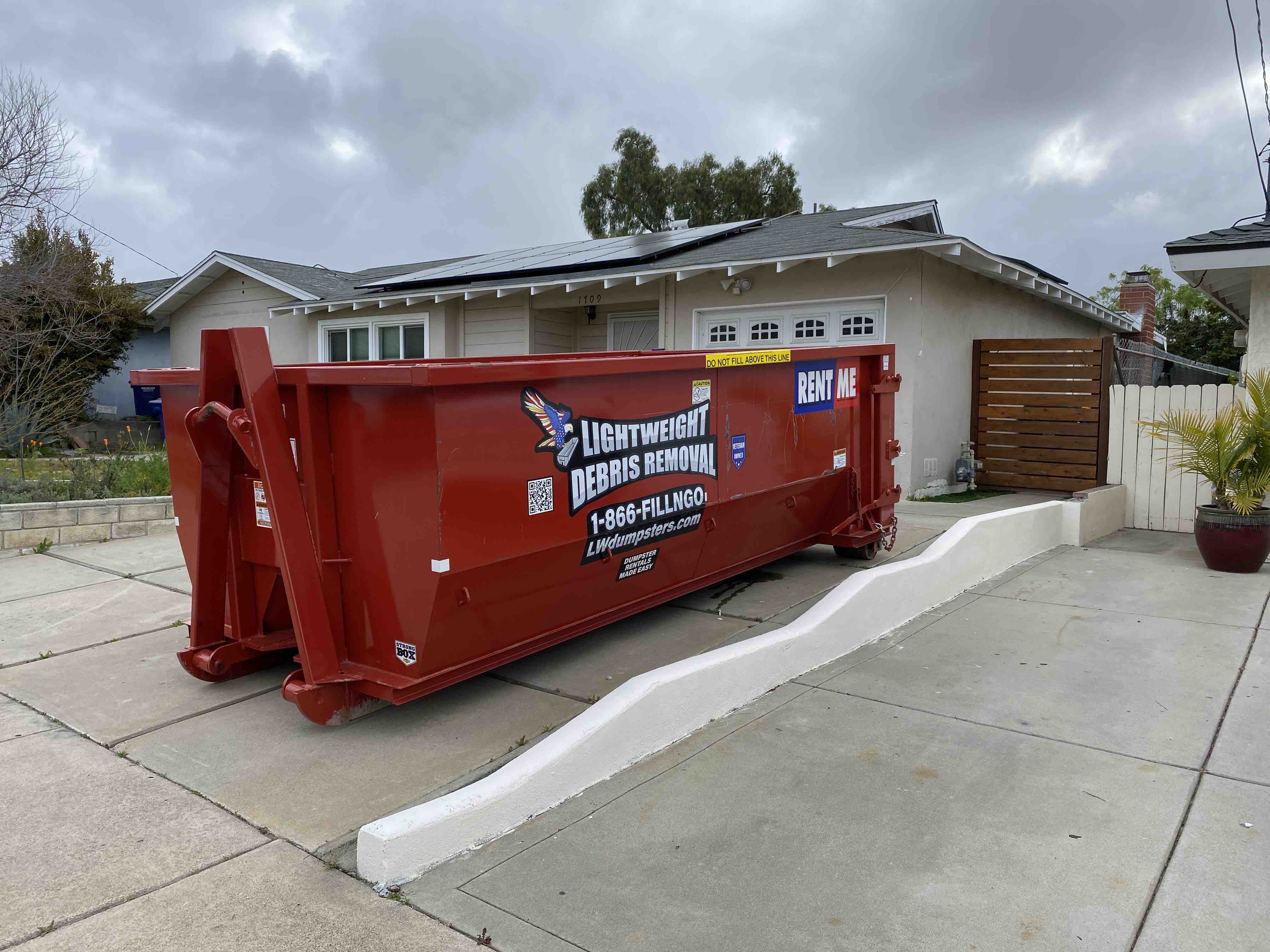
When handling a cleanup, remodeling, or construction task, it may seem that loading a dumpster is straightforward. In reality, the placement of materials plays a key role in space use, job safety, and overall efficiency. A lot of individuals underestimate how crucial proper loading techniques are, resulting in inefficient space use, potential danger, and extended work time.
At Lightweight trash dumpster rentals Vista CA Debris Removal, we highlight that the way you load a dumpster matters as much as picking the right size. Taking an organized approach maximizes container use while ensuring a secure and efficient workspace. We strive to help every customer make the best use of their dumpster service by promoting smart loading practices that cut clutter, prevent harm, and make cleanup more efficient.
Planning Before You Start Loading
Before placing any waste into the dumpster, proper preparation is key. Evaluate the debris you plan to throw away and separate recyclables or items needing careful handling. Pre-sorting creates efficiency and minimizes the hassle of re-sorting mid-process. Separating risky materials improves safety and prevents potential accidents.
Strategizing the loading sequence is equally vital. Lay down the heaviest items first to create stability. Next, stack smaller items above to utilize all available room. Proper planning prevents uneven distribution and potential shifting during transport. Such preparation ensures smoother operations and safer conditions overall.
Using Space Efficiently
Effective space management is essential for optimal dumpster use. Break down bulky items such as furniture or large appliances before placing them inside. Crushing or flattening materials helps create more usable space. Doing so enables more debris to fit while keeping the load balanced and organized.
Layering materials is another useful trick for maximizing capacity. Start with flat, dense materials on the bottom for support. Add lighter debris in between to fill open spaces. Do not overfill or stack above the container rim to prevent hazards. Layering effectively ensures a neater, safer, and more productive loading experience.
Maintaining Safety During Loading
Safety should be at the forefront during every loading task. Wearing gloves, strong shoes, and protective gear helps prevent cuts and injuries. Make sure your workspace is clear of debris or uneven ground before lifting. Staying alert around the dumpster keeps the process safe and organized.
Refrain from throwing objects into the dumpster carelessly, since this could result in shifting, accidents, or property harm. Handle items with care and arrange them thoughtfully. If something is heavy or large, ask for assistance rather than risk injury. Prioritizing safety not only protects workers but keeps operations steady and efficient.
Efficiently Sorting and Arranging Materials
Sorting your waste both before and during loading is a simple yet powerful way to stay organized. Group similar items like metal, wood, or household waste together. This practice makes loading and unloading smoother while simplifying disposal later. You’ll also easily spot recyclable materials, reducing waste and encouraging sustainable habits.
Proper organization eliminates the hassle of moving things around later. Place lightweight materials such as cardboard or fabric on top, while heavy objects go below. By organizing weight properly, the dumpster remains secure and tidy. Being organized saves time and creates a smoother, more professional workflow from start to finish.
Safeguarding Surfaces When Using a Dumpster
Dumpsters are durable, but the property underneath may need protection. Use wooden beams or other protectors beneath to reduce stress on driveways and pavements. Taking this measure prevents cracks, scratches, and wear during use.
Where you position the dumpster affects both convenience and safety. Pick a steady surface that provides safe loading and unobstructed access. Keep it at a safe distance from fences, walls, or gardens that might be impacted. Thoughtful setup ensures a smooth experience and minimizes potential property risks.
Maximizing Efficiency for Large Projects
Handling large projects often means managing continuous waste flow. Creating a staging area where waste is sorted before reaching the dumpster can streamline loading. It promotes even weight distribution and reduces inefficiencies mid-project.
Encouraging teamwork and good communication boosts workflow efficiency. Assign crew members to specific duties such as sorting, lifting, or compacting debris. Clear roles prevent confusion and keep the process flowing efficiently. Planning and cooperation are vital for completing big projects without unnecessary setbacks.
Understanding Restricted Dumpster Items
Some materials can’t go into dumpsters, and understanding these limits is critical. Materials like paints, batteries, and chemicals require special disposal methods. Dumping restricted materials risks pollution and additional disposal problems. Verify acceptable items beforehand to avoid penalties or issues.
Never load the container above its designated fill line or weight limit. Overflowing containers lead to instability and may require extra handling. By following proper load limits, you support responsible waste management. Awareness of limits helps avoid issues during collection and hauling.
Working with a Trusted Dumpster Service
Collaborating with a dependable provider makes any cleanup smoother and more efficient. Lightweight Debris Removal offers expert dumpster rental services designed for both homeowners and contractors. We ensure on-time delivery, responsive assistance, and easy pickup for every customer.
Choosing a service dedicated to client satisfaction ensures smoother operations. Prompt support, transparency, and reliability help maintain project flow. Lightweight Debris Removal remains committed to supporting customers in achieving clean, safe, and efficient waste solutions.
Maintaining a Clean and Efficient Project Site
Proper dumpster organization contributes to faster, more productive results. A clean, well-kept work area enables smooth task flow and better teamwork. Using effective organization turns cleanup into a natural step in the process.
Lightweight Debris Removal inspires users to view dumpster loading as an opportunity for improvement. It’s a chance to boost safety, save time, and protect your surroundings. With proper organization, attention to detail, and dependable support, efficient loading becomes key to project success.